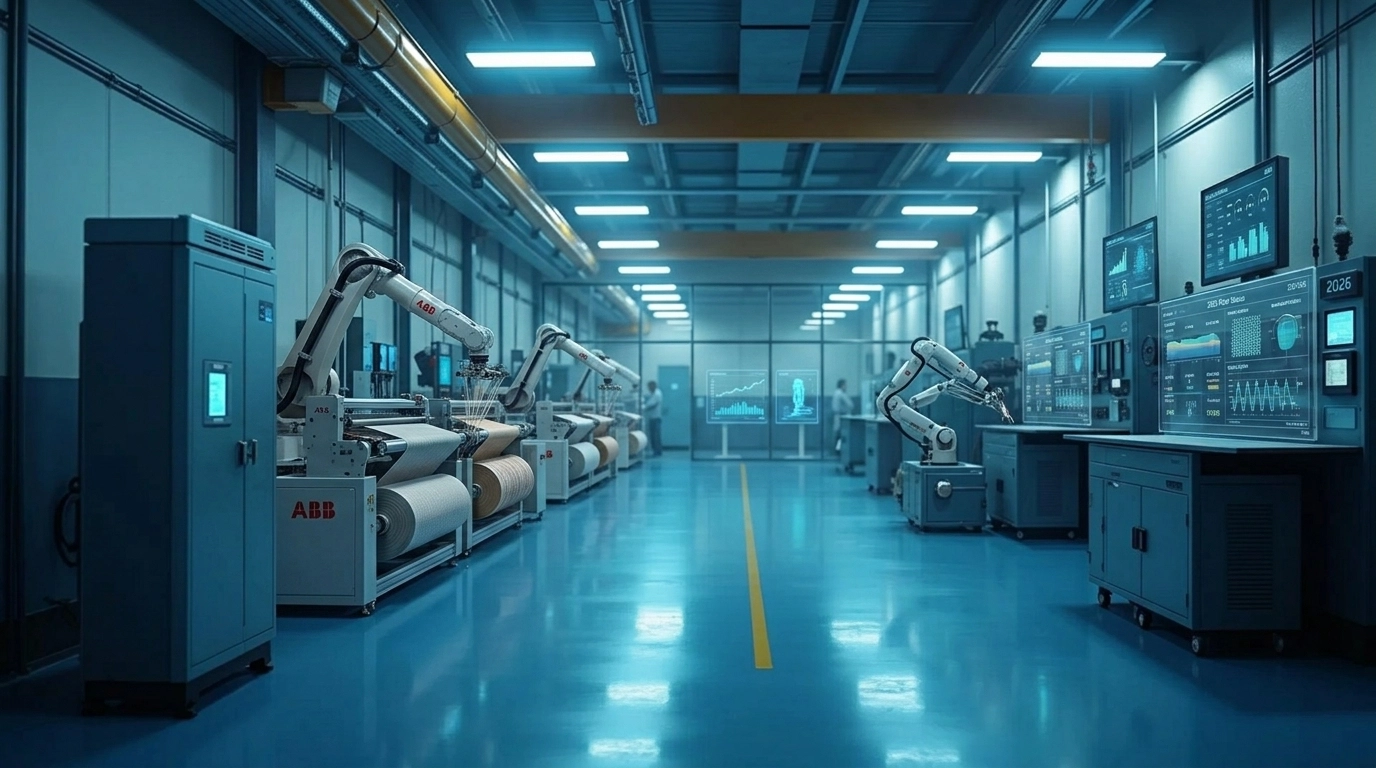
Thread to Trend: How Automation is Transforming Textile Manufacturing in 2026
The global textile landscape has shifted. In 2026, the conversation is no longer about whether to automate, but how quickly you can integrate. For textile mills across India: from the cotton hubs of I
The global textile landscape has shifted. In 2026, the conversation is no longer about whether to automate, but how quickly you can integrate. For textile mills across India: from the cotton hubs of Indore to the garment clusters in Tirupur: the transition from "thread to trend" is now driven by silicon and software as much as by looms and spindles.
At Digital Controls, we’ve watched this evolution firsthand. As an authorized distributor for ABB and Fluke, we are seeing a massive surge in the adoption of industrial automation solutions that don't just speed up production but fundamentally redefine it.
The Rise of the Robotic Sewing Cell
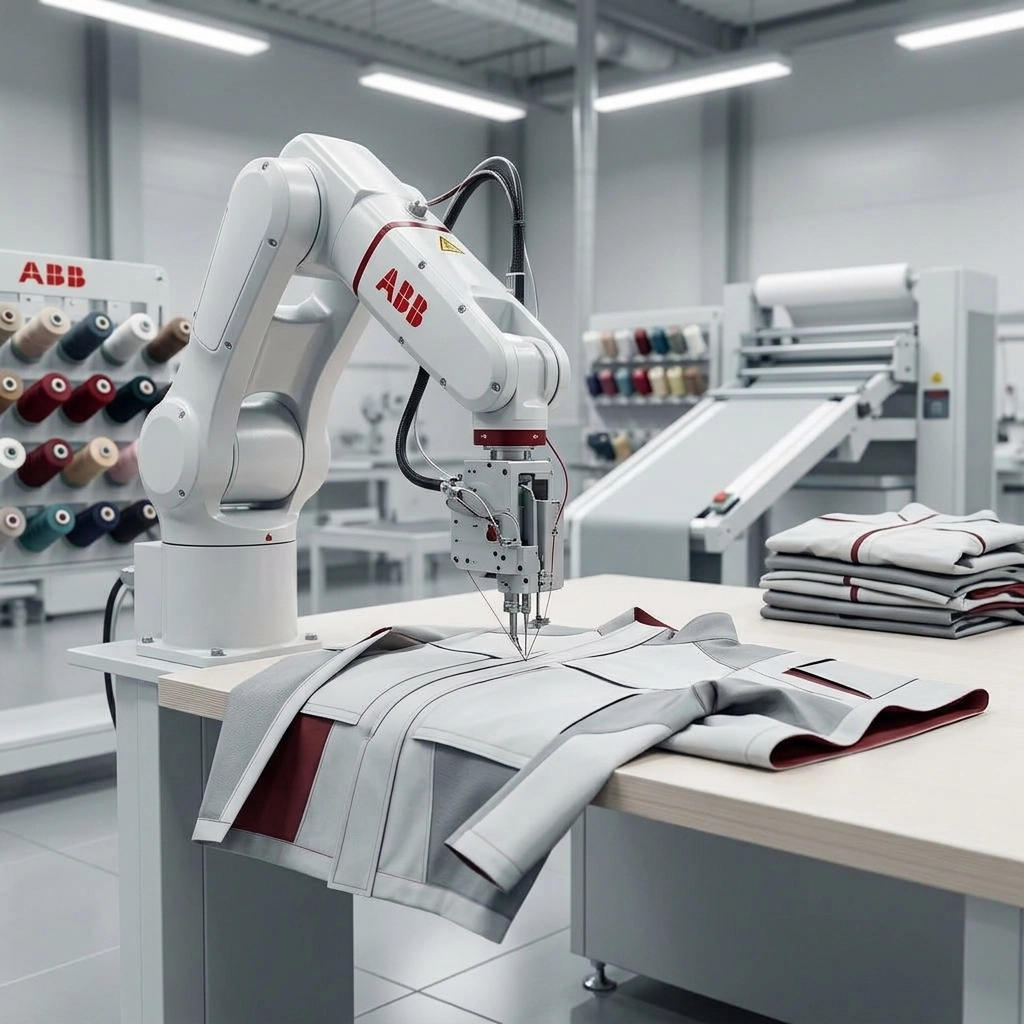
For decades, the sewing room was the final frontier for automation due to the limp, unpredictable nature of fabric. In 2026, that frontier has been crossed. The introduction of ABB robotics, specifically SCARA robots (Selective Compliance Assembly Robot Arm), into modular sewing cells has revolutionized garment assembly.
These robots provide the high-speed precision required for repetitive tasks like pocket attachment, cuff preparation, and edge stitching. Unlike human operators, a SCARA robot maintains sub-millimeter accuracy through a 24-hour shift, drastically reducing the defect rates that typically plague high-volume garment lines. By integrating these robots into a unified system, manufacturers can achieve a level of consistency that was previously impossible.
Precision Control: The Heart of the Mill
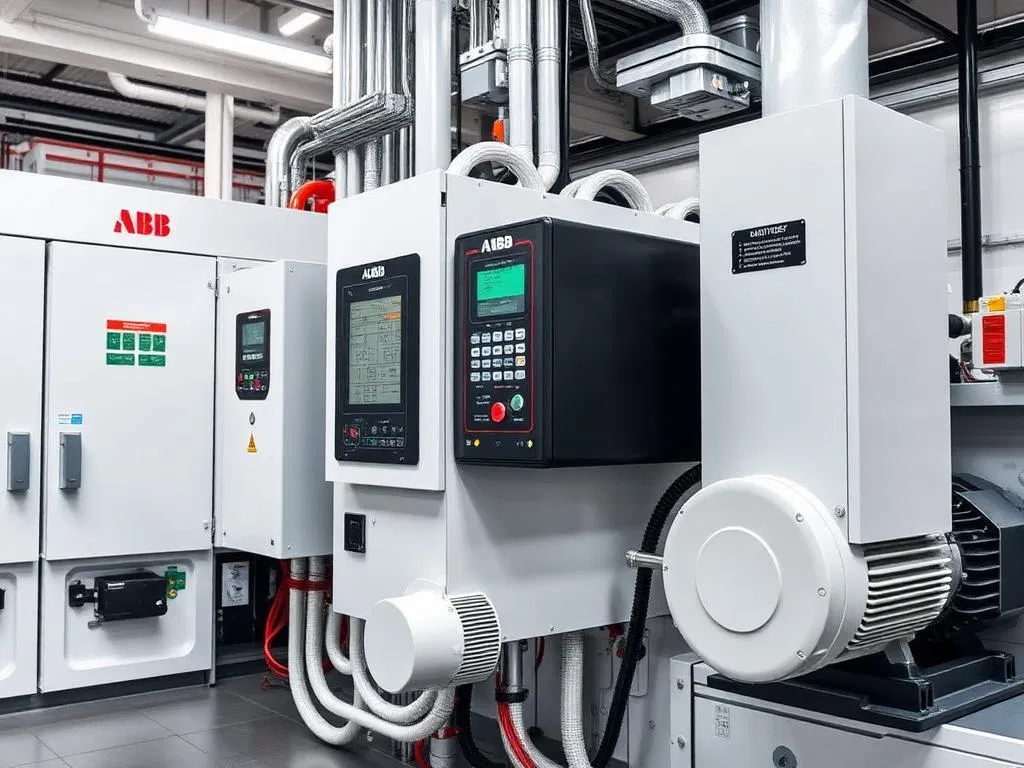
While robots handle the fabric, the core machinery: the spinning frames, weaving looms, and dyeing vats: relies on the invisible muscle of power electronics. This is where ABB AC drives like the ACS580 and ACS880 come into play.
In a modern textile mill, speed control is everything. A minor fluctuation in the tension of a yarn during spinning can lead to breakage, causing expensive downtime. The ACS880 series offers superior motor control, allowing for precise torque and speed adjustments that protect the delicate fibers.
Furthermore, the ACS580 is the go-to choice for general-purpose applications, providing an easy-to-use interface for fans, pumps, and conveyors. These drives do more than just move motors; they act as the "brain" of the machine, feeding data back to the central control system to ensure every spindle is operating at peak efficiency.
Energy Efficiency: IE3 and IE4 Motors
The textile industry is notoriously energy-intensive. In 2026, with rising energy costs and stricter environmental regulations, the shift toward energy efficient motors is a financial necessity.
By upgrading to IE3 (Premium Efficiency) or IE4 (Super Premium Efficiency) motors, mills can reduce their energy consumption by up to 10-15%. When paired with ABB AC drives, the savings are even more significant. These motors run cooler, last longer, and require less maintenance, making them the backbone of any sustainable textile operation. Digital Controls helps mills in regions like Tirupur transition to these high-efficiency setups, ensuring that their ROI is realized in the shortest possible timeframe.
Smart Factories and AI-Driven Insights
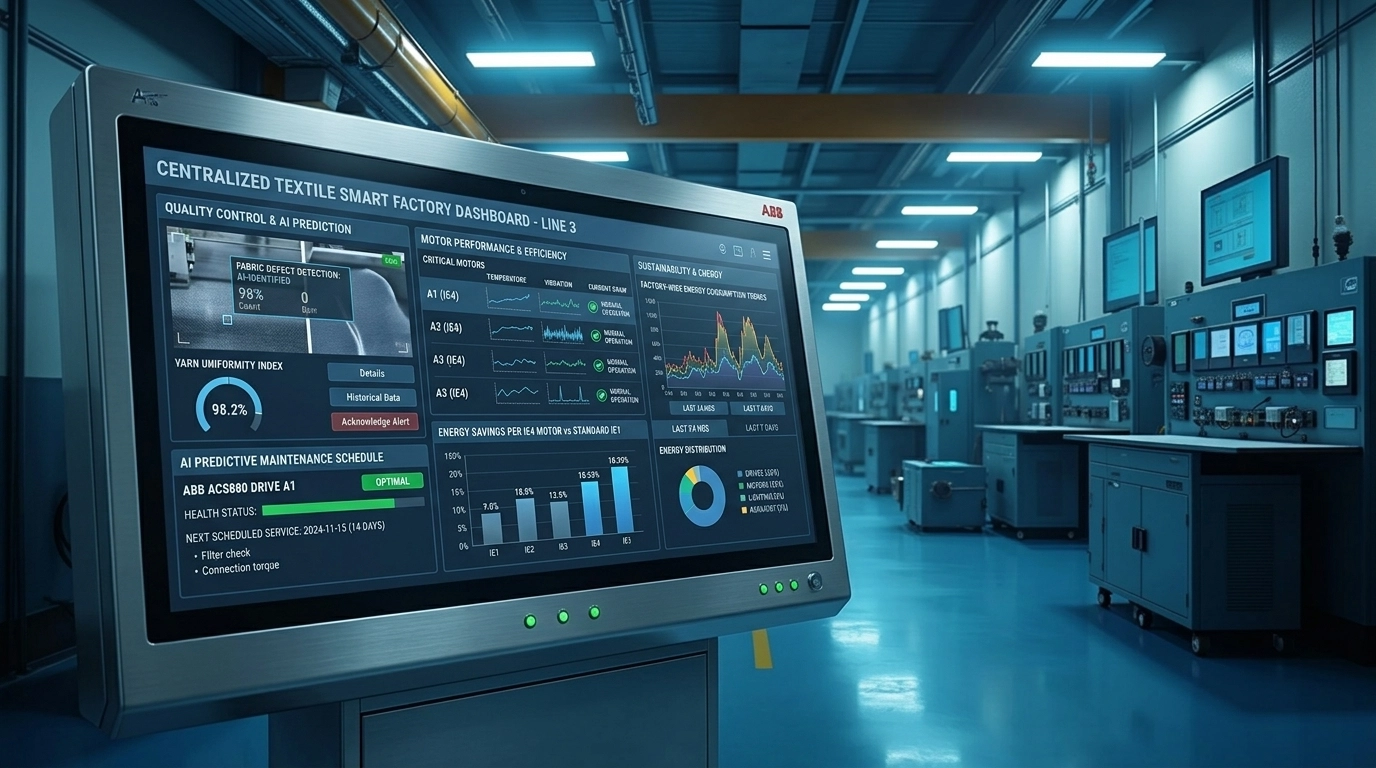
The "Smart Factory" is no longer a buzzword; it is the operational standard for 2026. By utilizing AI and real-time data, textile manufacturers are now able to perform predictive maintenance.
Instead of waiting for a bearing to fail or a motor to burn out, AI algorithms analyze the vibration and heat data from the machinery. If an anomaly is detected, the system alerts the maintenance team before a breakdown occurs. This proactive approach can reduce unplanned downtime by as much as 40%.
Real-time quality control is another area where AI is making waves. High-speed cameras and sensors monitor the fabric as it is being woven. If a single missed thread or a color variance is detected, the system can automatically adjust the tension or alert the operator to intervene. This ensures that only Grade-A fabric leaves the floor, significantly boosting the mill's profitability.
Turnkey System Integration Services in India
Implementing these advanced technologies requires more than just buying the hardware. It requires system integration services that can bridge the gap between legacy machinery and modern digital controls.
At Digital Controls, we specialize in providing turnkey automation solutions tailored for the Indian textile market. Whether it’s designing custom control panels for a spinning mill in Indore or deploying a fleet of robots for a garment factory in Tirupur, our team provides end-to-end support.
Our integration process includes:
- System Design: Customizing the automation architecture to fit your specific production goals.
- Hardware Selection: Providing genuine ABB drives, motors, and PLC systems.
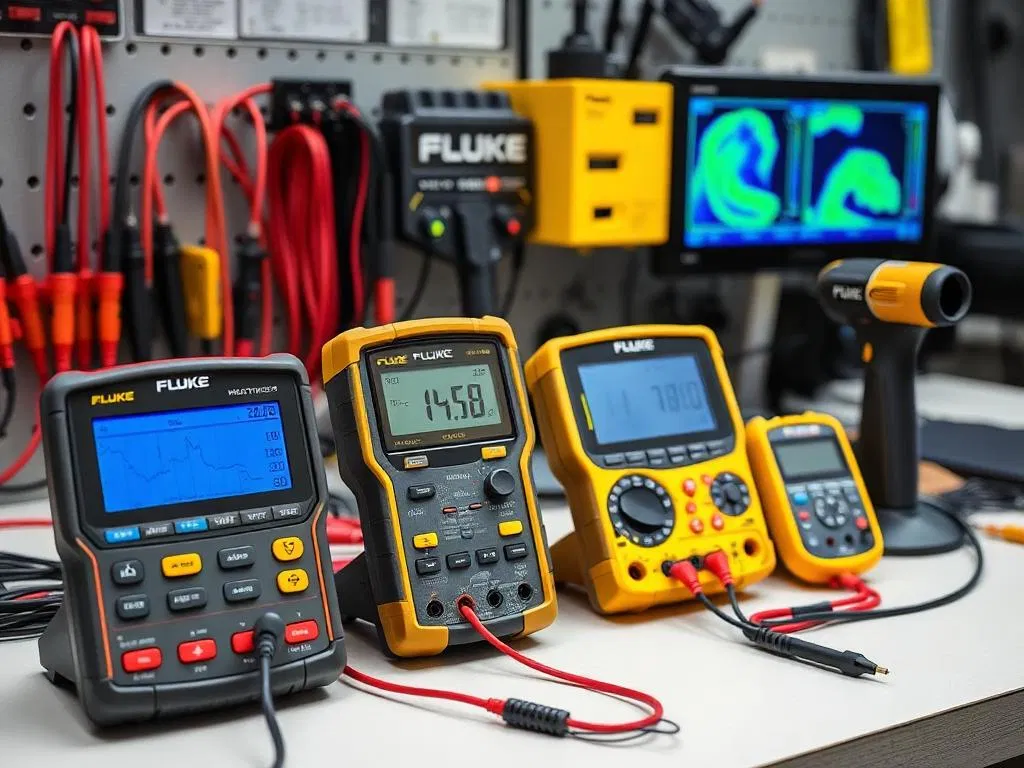
- Diagnostics and Commissioning: Using high-end Fluke test and measurement instruments to ensure every component is calibrated for maximum performance and safety.
- On-site Support: Pan-India service to keep your operations running 24/7.
Conclusion: Partnering for the Future
As we move further into 2026, the gap between automated and manual manufacturing will only widen. For textile leaders, the goal is clear: increase throughput, reduce waste, and lower energy costs.
By leveraging the power of ABB AC drives, energy efficient motors, and cutting-edge robotics, you can ensure your facility remains competitive on a global scale. Digital Controls is here to be your partner in this transformation, providing the technical expertise and genuine components you need to build the smart factory of tomorrow.
Ready to automate? Contact Digital Controls today to discuss how we can bring world-class industrial automation solutions to your textile mill.