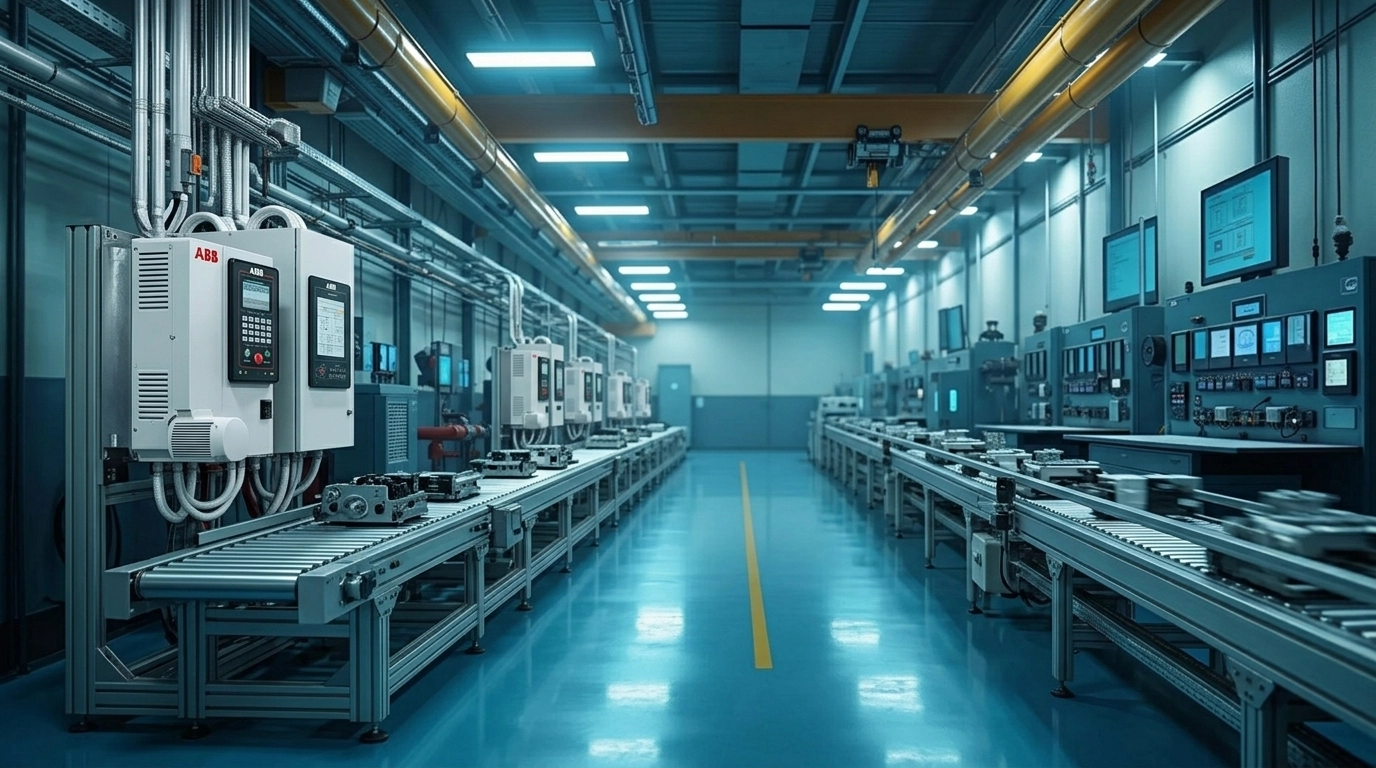
Expand Production: The Power of Accumulation and Line Balancing
**Contents: Technical analysis, operational strategy, and system integration.**
Contents: Technical analysis, operational strategy, and system integration.
Industrial output optimization requires the precise synchronization of mechanical throughput and digital control. Production expansion is achieved through two primary methodologies: line balancing and accumulation. These strategies mitigate bottlenecks, stabilize flow, and maximize the efficiency of industrial automation solutions.
1. Line Balancing: Engineering Synchronization
Line balancing is the process of distributing task workloads evenly across all workstations in a production sequence. The objective is to ensure that no single station acts as a constraint, thereby achieving a uniform flow.
TAKT Time Calculation
The foundation of line balancing is the TAKT time calculation. This metric defines the required pace of production to meet customer demand.
Formula: TAKT Time = Available Production Time / Required Units
For instance, if a manufacturing facility operates for 480 minutes (8 hours) and the demand is 240 units, the TAKT time is 2 minutes per unit. Every workstation must complete its assigned tasks within this window.
Eliminating Bottlenecks
Discrepancies between individual cycle times and the TAKT time create bottlenecks.
- Over-capacity stations: Result in idle time and wasted resources.
- Under-capacity stations: Cause delays and upstream congestion.
By redistributing tasks or implementing PLC automation systems, engineers align station speeds. This ensures that the actual cycle time remains marginally below the TAKT time to accommodate minor operational variances.
2. Accumulation: Buffer Management and Flow Stability
Accumulation refers to the strategic placement of buffer zones within a production line. These zones temporarily hold products between processes to prevent a total system halt when a single station experiences a momentary delay.
Buffer Zones
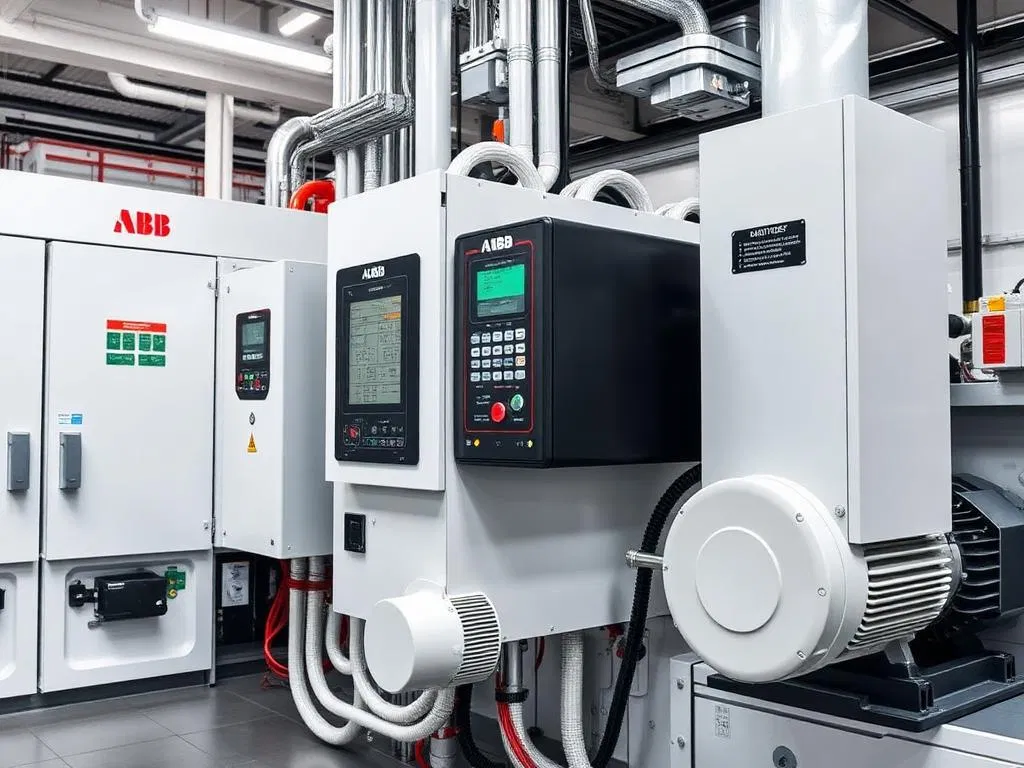
Buffer zones act as mechanical shock absorbers. In high-speed manufacturing, stations rarely operate at identical speeds indefinitely. Variations in component quality, tool wear, or human operator speed can cause fluctuations. Accumulation systems, often controlled by variable frequency drives, manage these variations by slowing down or speeding up conveyors.
Smart Inventory and Kanban
Smart accumulation integrates inventory management principles like Kanban.
- Pull System: Downstream stations signal upstream stations for more materials.
- Flow Regulation: Buffers prevent starvation (lack of material) or over-saturation (excess material).
Effective accumulation management ensures that the primary production constraint: the bottleneck: remains active at all times, maintaining peak throughput.
3. Technical Implementation: The ABB Ecosystem
Modern production expansion relies on hardware capable of millisecond-level precision. Digital Controls utilizes ABB’s ecosystem to implement these strategies.
ABB AC500 PLCs: The Logic Core
The ABB AC500 PLC serves as the central processing unit for line synchronization. It performs the logic required for:
- Real-time TAKT time monitoring.
- Dynamic task redistribution commands.
- Communication between workstations.
The AC500 series offers the scalability needed for both simple conveyor lines and complex, multi-axis manufacturing cells.
ABB ACS Series: Velocity Control
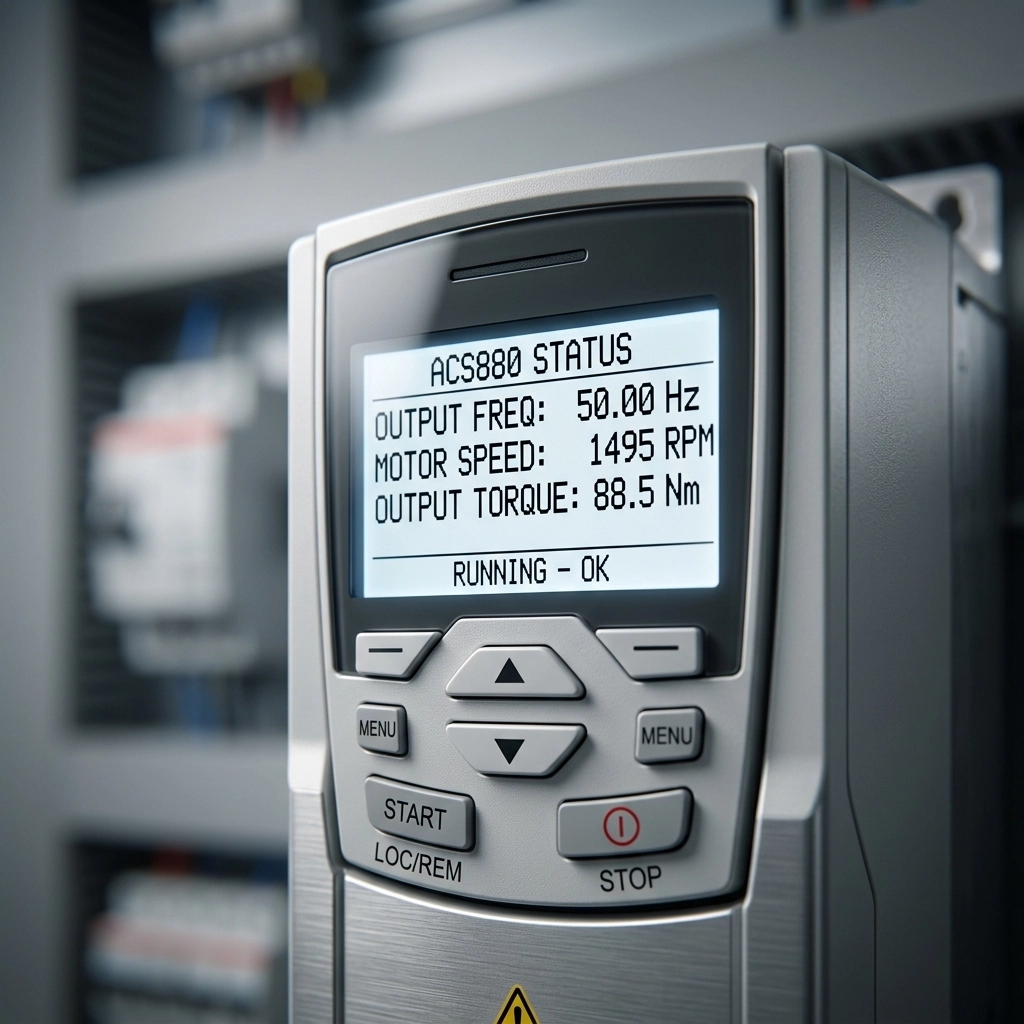
The execution of line balancing and accumulation happens at the motor level. ABB ACS series drives, specifically the ACS580 and ACS880, provide exact speed control for conveyor systems.
- ACS580: General-purpose drive suitable for standard conveyor speed regulation.
- ACS880: Industrial drive designed for high-performance applications requiring precise torque and speed control.
By adjusting motor frequency, these drives ensure that conveyor speeds match the calculated TAKT time or increase the accumulation rate in buffer zones during upstream delays.
4. Operational Benefits: Metrics and ROI
Implementing these systems results in quantifiable improvements to the production facility’s bottom line.
Increased Throughput
Synchronized lines operate at the theoretical maximum capacity of the bottleneck station. By eliminating idle time, the total units produced per shift increase without requiring additional labor or footprint.
Reduced Idle Time
Automation ensures that components are always available for the next station. This reduces labor costs associated with operators waiting for materials and minimizes the wear on mechanical components caused by frequent start-stop cycles.
Return on Investment (ROI)
The initial capital expenditure on ABB drives and PLCs is offset by:
- Energy savings via IE3/IE4 efficient motors.
- Reduction in scrap material due to smoother handling.
- Higher production volume over a shorter timeframe.
5. Digital Controls: Turnkey Automation Expertise
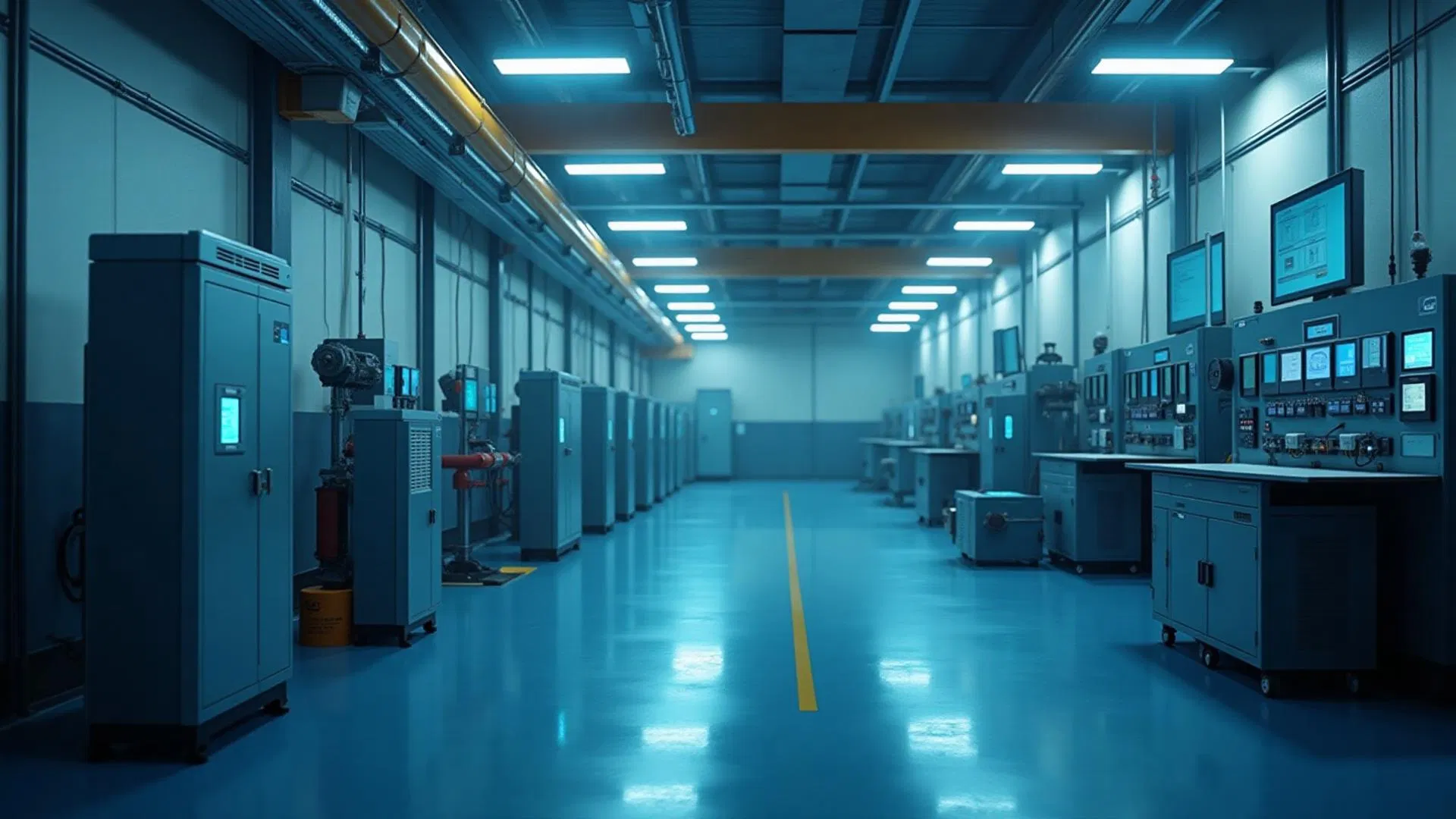
Digital Controls provides the engineering framework necessary to transition from theoretical production plans to operational reality.
Authorized ABB and Fluke Partnership
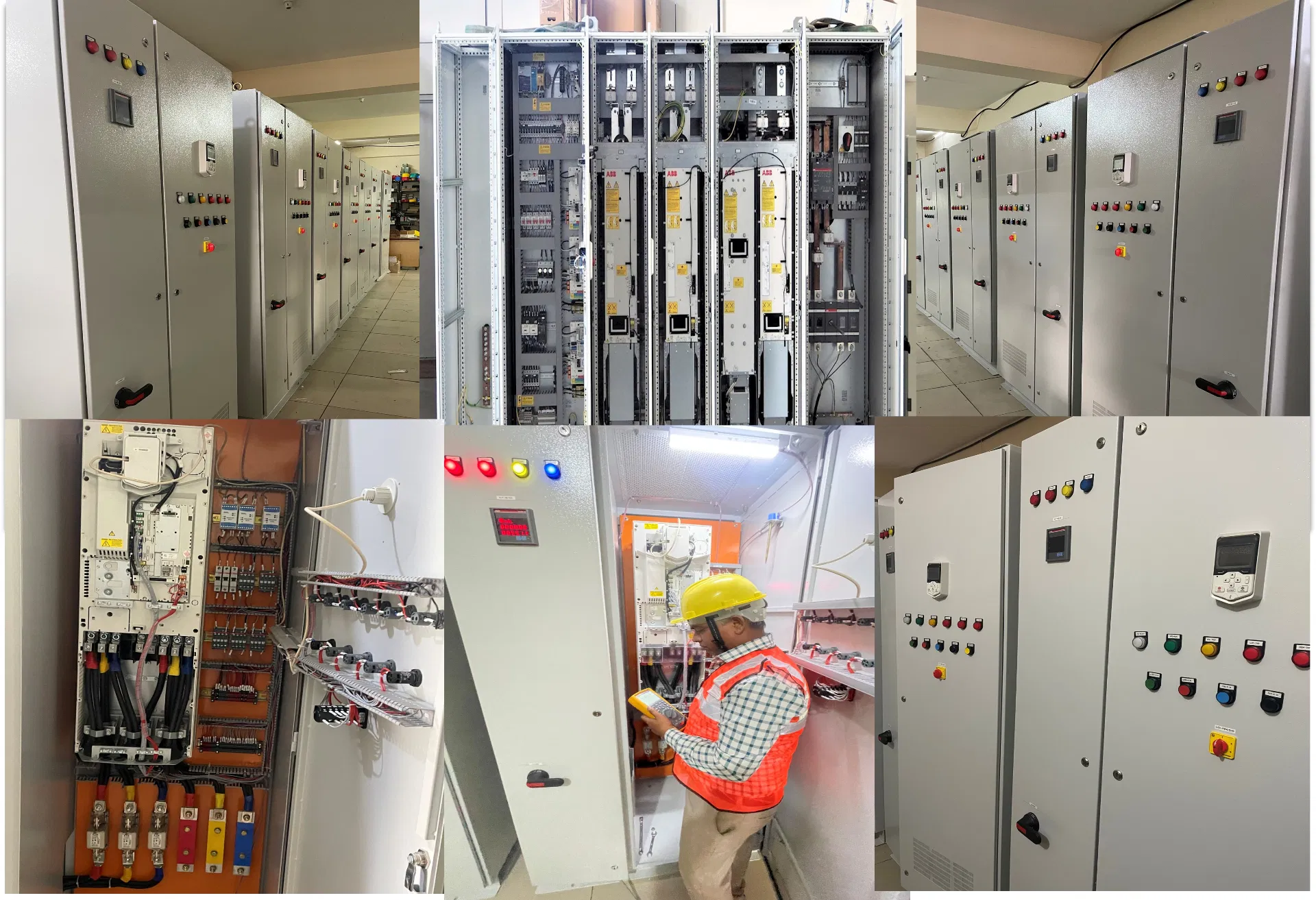
As an official partner, Digital Controls guarantees the installation of genuine ABB hardware. For diagnostics and commissioning, Fluke test and measurement instruments are utilized to verify electrical integrity and system performance.
End-to-End Integration
Our services encompass the entire automation lifecycle:
- System Design: Calculating TAKT times and identifying accumulation requirements.
- Manufacturing: Building custom control panels and LV switchgear.
- Commissioning: Programming ABB PLCs and tuning ACS drives for optimal motor control.
- Support: Ongoing technical assistance for maintenance and system expansion.
Digital Controls delivers solutions that are engineered for reliability and scalability across the Indian industrial landscape.
Technical Summary:
- Strategy: Combine Line Balancing (TAKT) with Accumulation (Buffers).
- Control: ABB AC500 PLCs.
- Drive: ABB ACS580/ACS880 VFDs.
- Goal: Maximum throughput, minimized idle time.
For system design and integration enquiries, visit our Contact Page.