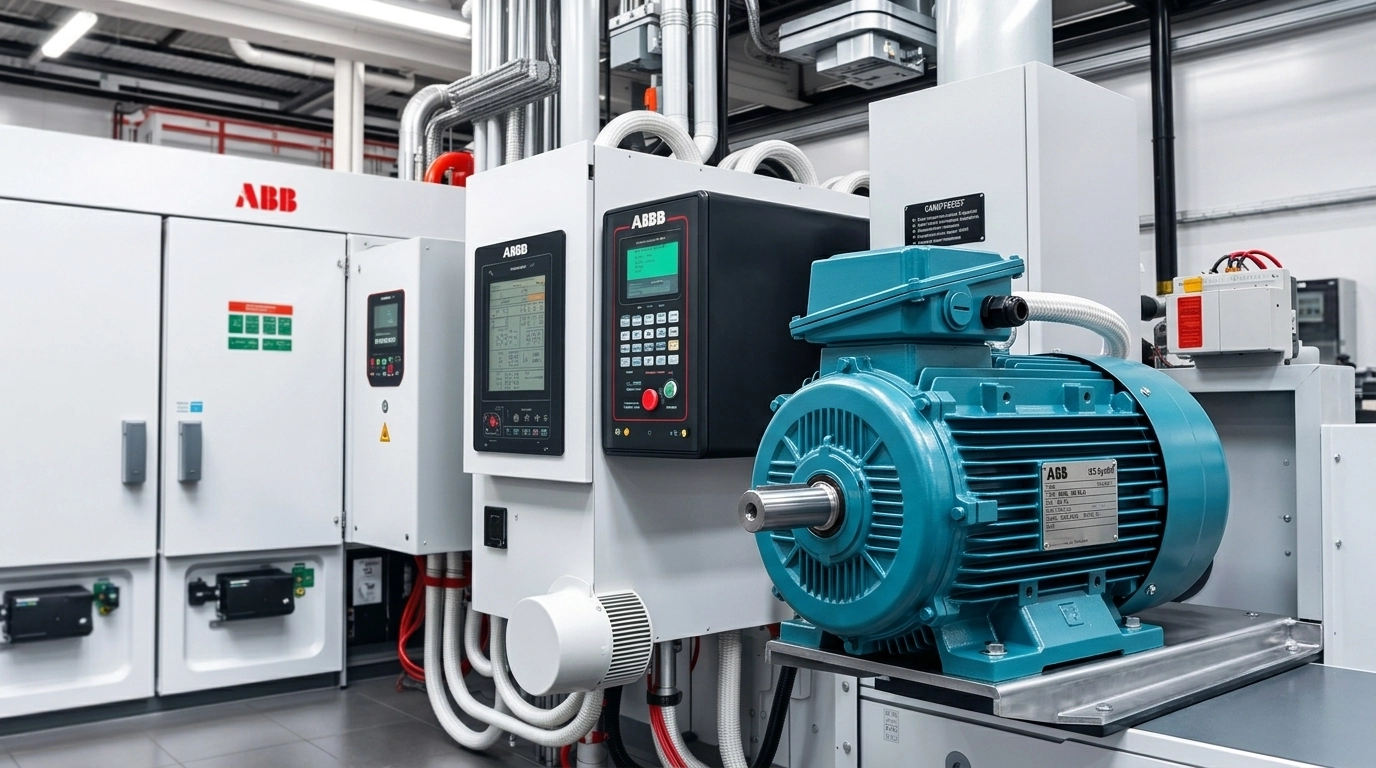
IE3 vs IE4 vs IE5: Which Motor Is Better For Your Plant's ROI?
As power tariffs rise and sustainability mandates tighten, selecting the correct efficiency class is a critical financial decision. This article compares IE3, IE4, and IE5 efficiency standards to determine the optimal Return on Investment (ROI) for Indian plant operations.
Insights, updates, and technical comparisons.
Industrial manufacturing in India consumes over 40% of the nation's electricity. Within these facilities, electric motors account for approximately 60% to 70% of total energy consumption. As power tariffs rise and sustainability mandates tighten, selecting the correct efficiency class is a critical financial decision. This article compares IE3, IE4, and IE5 efficiency standards to determine the optimal Return on Investment (ROI) for Indian plant operations.
Efficiency Classifications
The International Electrotechnical Commission (IEC) 60034-30-1 standard defines four levels of energy efficiency for single-speed, three-phase, cage-induction motors. While IE2 was formerly the baseline, modern industry has moved toward higher tiers.
- IE3 (Premium Efficiency): The current industry standard for most new installations. It offers significant loss reductions over legacy IE1 and IE2 motors.
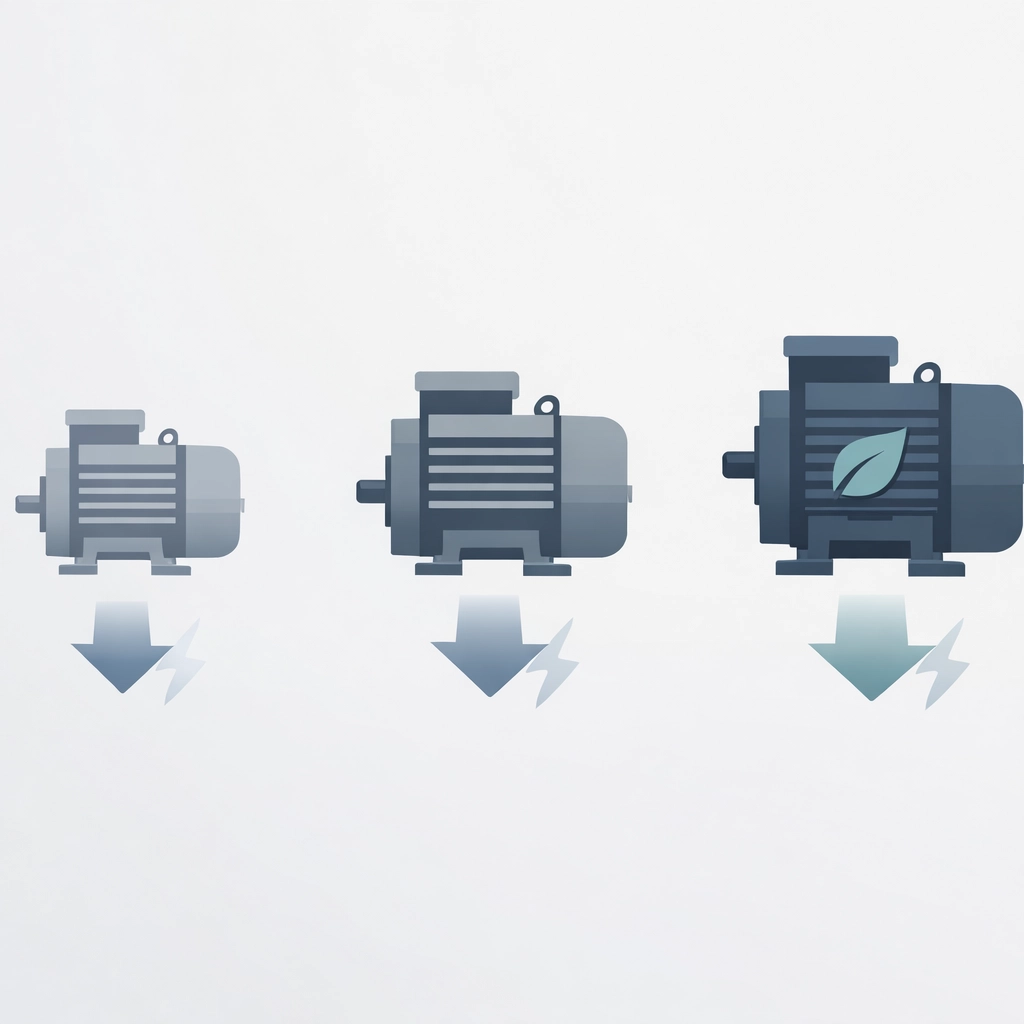
- IE4 (Super Premium Efficiency): Reduces energy losses by approximately 15% compared to IE3.
- IE5 (Ultra-Premium Efficiency): The highest current commercial standard. ABB's IE5 Synchronous Reluctance Motors (SynRM) reduce energy losses by up to 40% compared to IE3 models.
Energy Loss Reduction Data
When evaluating ROI, the primary metric is the reduction in internal motor losses (heat, friction, windage).
| Efficiency Class | Comparison to IE3 | Typical Payback Period (India) |
|---|---|---|
| IE3 (Premium) | Baseline | 6–10 months (vs. IE1/IE2) |
| IE4 (Super Premium) | 15% lower losses | 8–12 months (vs. IE3) |
| IE5 (Ultra-Premium) | 40% lower losses | 12–18 months (vs. IE3) |
Source: ABB Efficiency Analysis for 24/7 Operations.
ROI Analysis: The Indian Context
In India, commercial electricity rates often average ₹7 to ₹9 per kWh depending on the state and load factors. Because energy represents over 97% of a motor's total lifecycle cost, the initial purchase price is statistically negligible compared to operational expenditure.
Calculation Scenario: 15 kW (20 HP) Motor
- Operating Hours: 8,000 hours/year (Continuous duty).
- Electricity Rate: ₹7.5/kWh.
- IE3 Efficiency: ~92.1%.
- IE5 Efficiency: ~95.0%.
In this scenario, upgrading from IE3 to IE5 saves approximately 3,800 kWh annually. At ₹7.5/kWh, this equates to ₹28,500 in direct annual savings. Given the price premium for an ABB IE5 SynRM motor, the payback is typically achieved within the first 14 months of operation.
Technical Implementation: Induction vs. SynRM
Standard three-phase induction motors utilize a rugged cage-rotor design. While highly reliable, they suffer from rotor losses due to induced currents.
ABB’s IE5 SynRM technology eliminates these rotor losses entirely by using a magnet-free synchronous reluctance design. This technology offers two distinct advantages for plant managers:
- Lower Operating Temperatures: Reduced heat extends the life of bearings and insulation.
- Partial Load Efficiency: Unlike standard induction motors, SynRM motors maintain extremely high efficiency even when operating at 25% or 50% load.
System Integration with VFDs
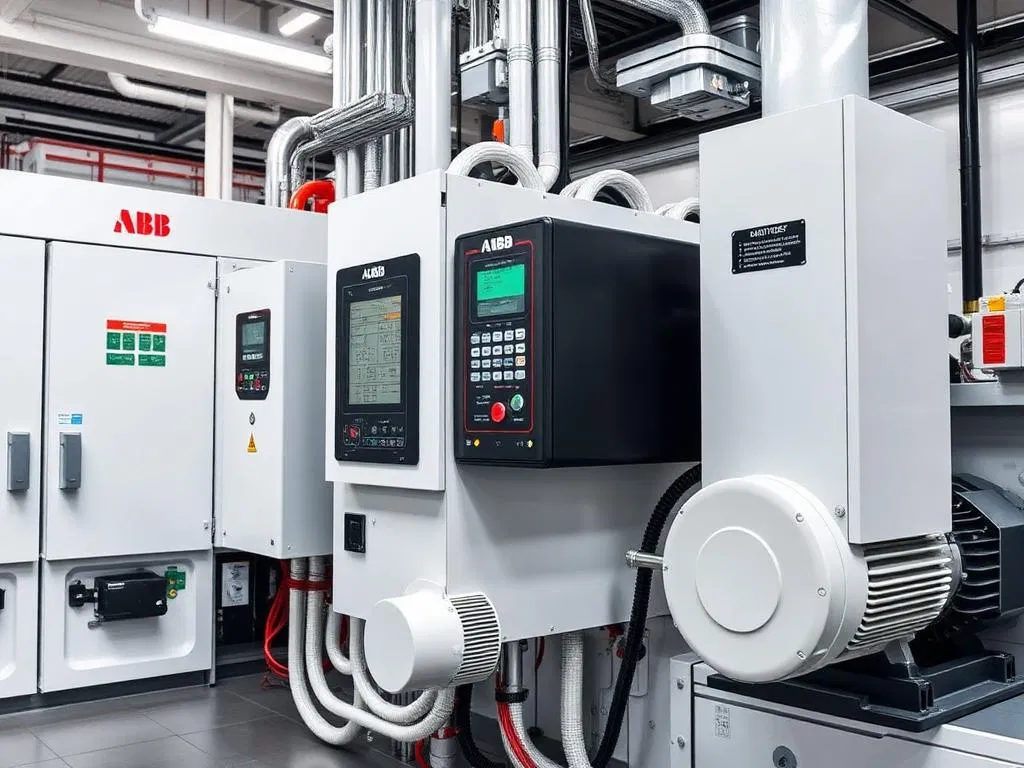
The ROI of a high-efficiency motor is maximized when paired with a Variable Frequency Drive (VFD). While an IE5 motor provides high base efficiency, the VFD provides system-level efficiency by matching motor speed to the actual process demand.
Digital Controls provides ABB AC drives that are specifically pre-programmed for SynRM motor parameters. This pairing ensures:
- Smooth ramp-up to reduce mechanical stress.
- Precision torque control for pumps, fans, and compressors.
- Simplified commissioning through factory-verified macro settings.
Strategic Selection Criteria
The decision to invest in IE4 or IE5 over IE3 should be based on three functional variables:
1. Duty Cycle
Motors running 24/7 (S1 duty) are the primary candidates for IE5. For intermittent duty applications (S3), IE3 remains the more cost-effective baseline.
2. Local Power Tariffs
Plants in regions with high energy costs (e.g., Maharashtra, Karnataka) see faster ROI on IE5 technology.
3. Maintenance Accessibility
High-efficiency motors run cooler. In plants where maintenance access is difficult or downtime is exceptionally expensive, the reliability gain of an IE5 motor is often more valuable than the energy savings alone.
Digital Controls: Authorized Partnership
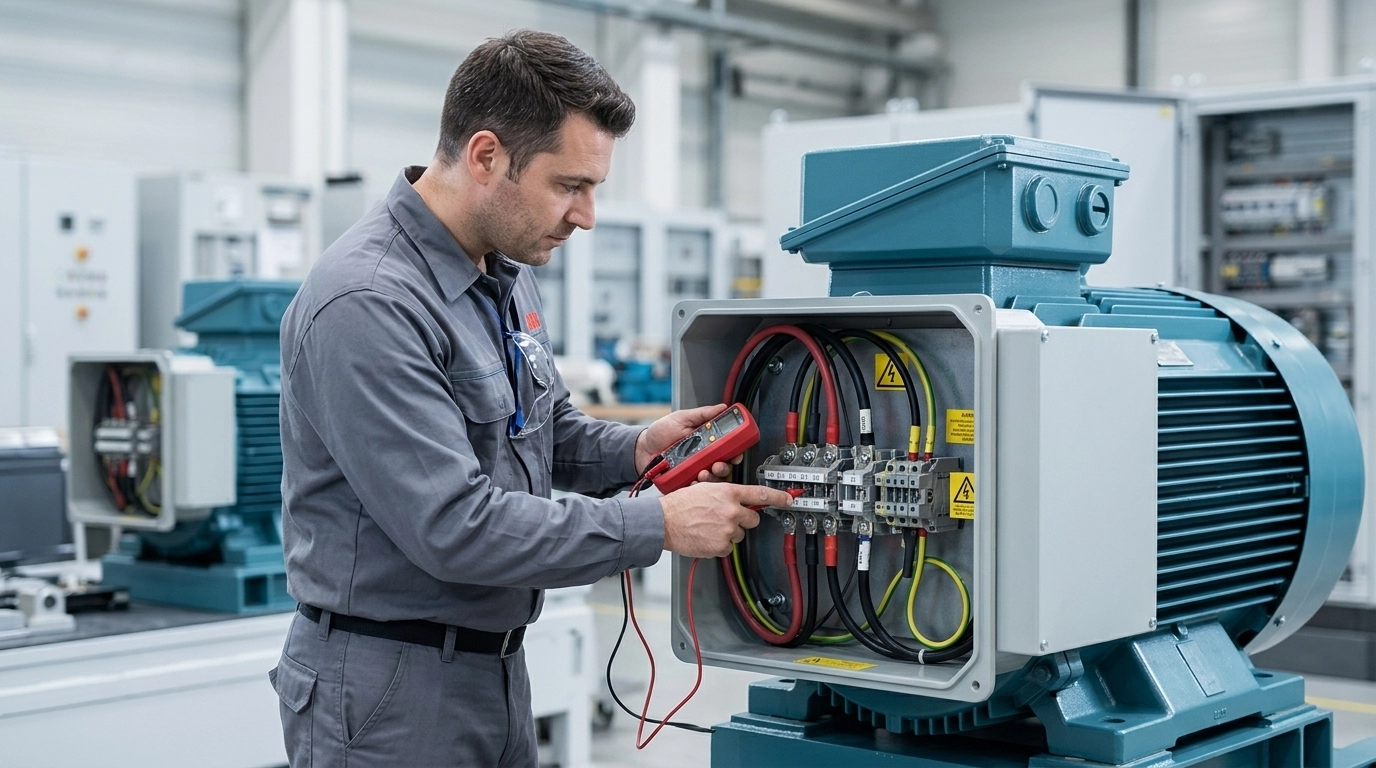
As an authorized distributor for ABB Drives, Motors & PLC Systems, Digital Controls offers technical expertise beyond simple procurement. Engineering teams and plant managers require genuine products backed by manufacturer warranties to ensure ROI projections are met.
Our Core Capabilities Include:
- Technical Consultation: Assessing existing motor footprints for high-efficiency upgrades.
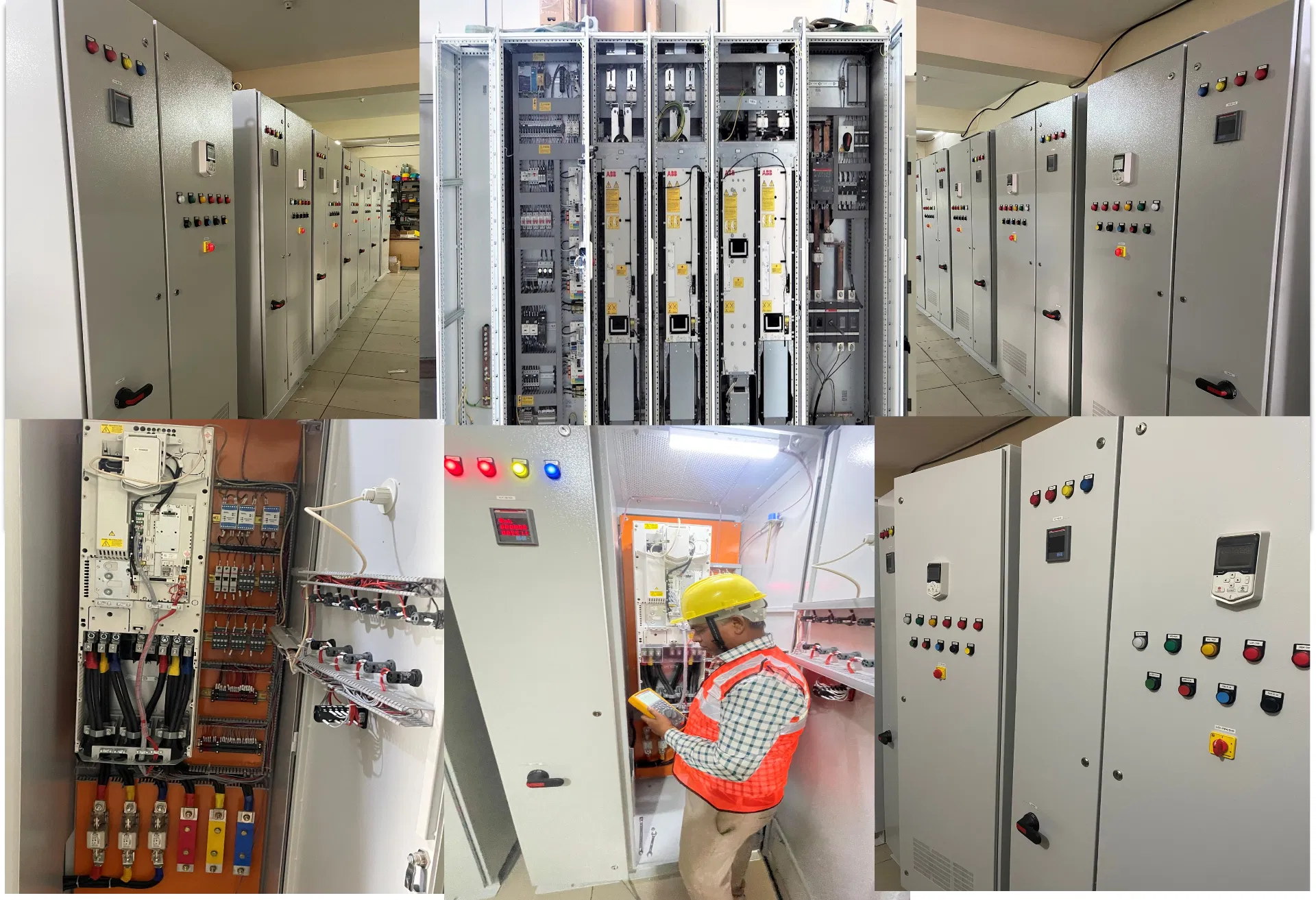
- System Integration: Designing custom control panels and turnkey solutions.
- On-Site Support: Commissioning and troubleshooting by experienced technical personnel.
- Genuine Inventory: Ensuring IE3, IE4, and IE5 units are sourced directly from ABB.
Final Recommendation
Standard Applications: For utility pumps or standard conveyors with moderate operating hours, IE3 Premium Efficiency motors provide a balanced ROI with low initial capital expenditure.
Critical & Continuous Operations: For compressors, cooling tower fans, and high-duty process pumps, IE5 SynRM technology is the superior financial choice. The reduction in heat and the significant energy savings ensure the motor pays for itself within two years, providing pure profit for the remainder of its 15–20 year lifespan.
For technical specifications or a customized ROI calculation for your plant, contact Digital Controls.