Prescribing Precision: IoT and the Future of Pharma Manufacturing in 2026
* Industrial IoT integration protocols for 2026.
Content Overview
- Industrial IoT integration protocols for 2026.
- Transition metrics: Reactive to predictive maintenance.
- Regulatory compliance via real-time sensory data.
- System modernization strategies for zero-downtime environments.
- Technical specifications for ABB AC drives and energy efficient motors.
Industrial IoT Landscape 2026
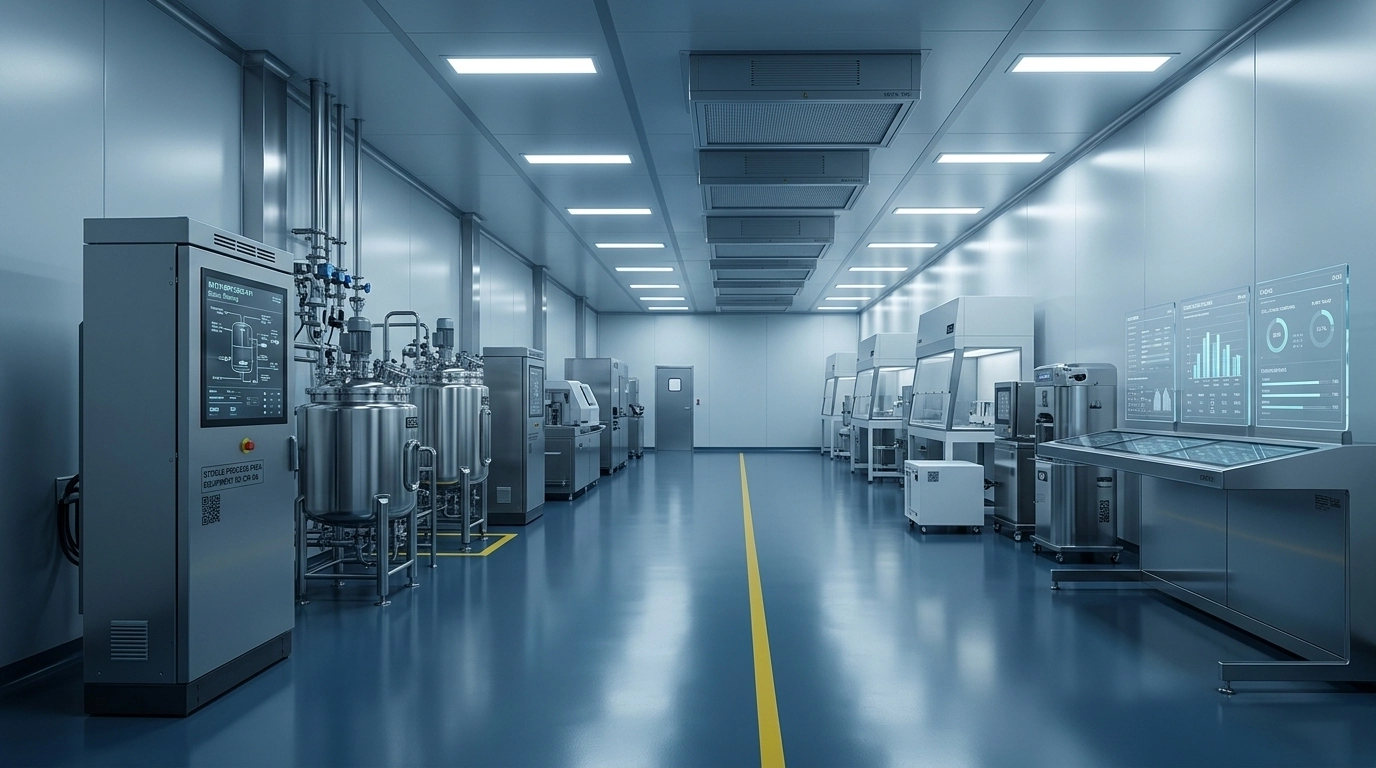
Pharmaceutical manufacturing in 2026 is defined by the convergence of operational technology (OT) and information technology (IT). The industry has shifted from periodic batch sampling to continuous process verification. This transition is supported by the deployment of PLC automation systems and high-density sensor networks. These industrial automation solutions facilitate the precise control required for Good Manufacturing Practice (GMP) standards.
Predictive Maintenance Architecture
The legacy model of reactive maintenance: repairing equipment after failure: is obsolete. Current industry standards utilize the ABB Ability Digital Powertrain. This integrated solution combines drives, motors, and pumps with cloud-based analytics to monitor equipment health.
ABB Ability Smart Sensors
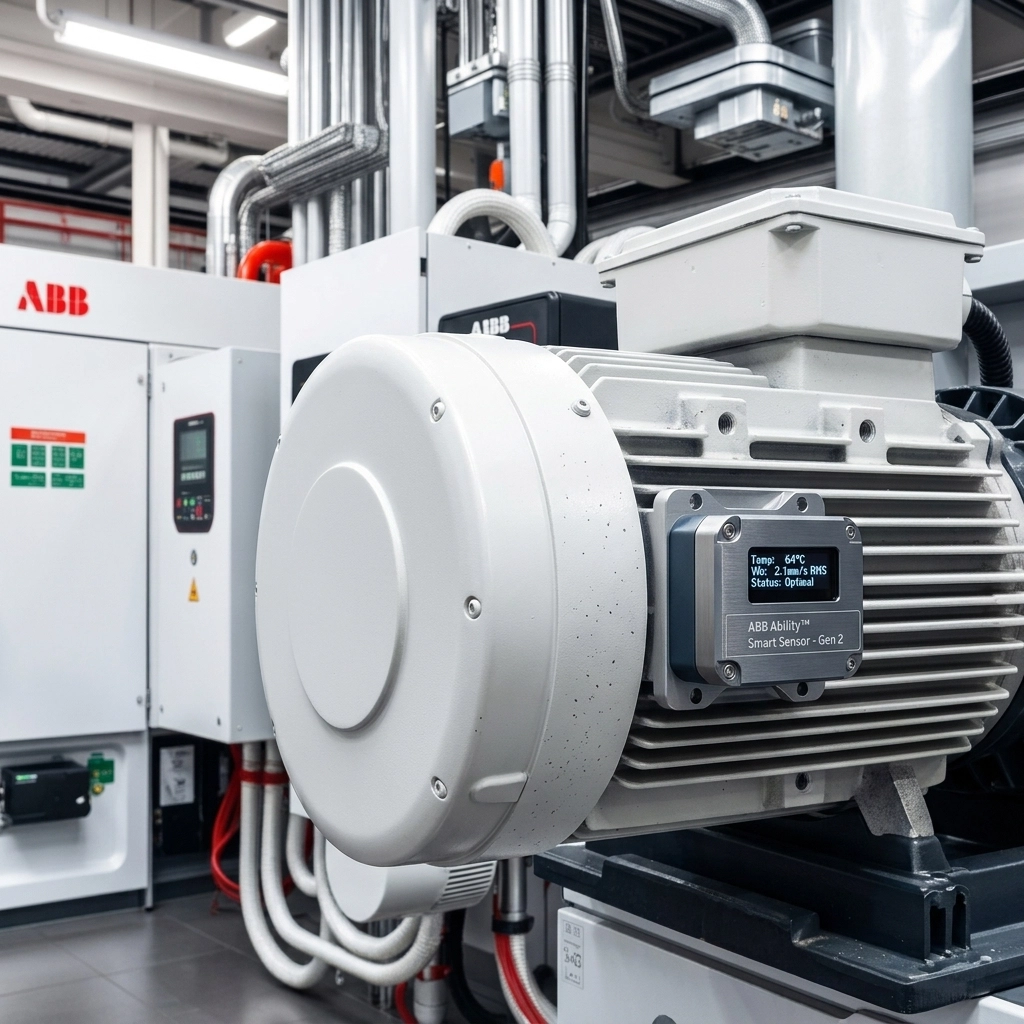
The core of the predictive model rests on the ABB Ability Smart Sensor. These devices are non-intrusive and retrofitted directly onto motor frames. They track parameters including:
- Vibration signatures.
- Acoustic patterns.
- Surface temperature.
- Energy consumption.
Performance Data: Centrient Pharmaceuticals
Implementation of the Digital Powertrain at Centrient Pharmaceuticals has yielded significant operational outcomes. By shifting to condition-based monitoring, the facility identified potential failures in critical equipment before they manifested as downtime.
- Result: Millions of dollars saved in potential batch loss and emergency repair costs.
- Metric: Reduced unplanned maintenance events by approximately 70%.
Environmental Control and Monitoring
Pharmaceutical integrity relies on the maintenance of strict environmental parameters within cleanrooms. Deviation in temperature or humidity can lead to total batch failure.
Real-Time Sensory Integration
Modern facilities deploy a network of digital sensors to maintain GMP compliance.
- pH Monitoring: The new ABB 500 X digital sensors provide 10x longer lifespan in harsh cleaning cycles. Utilizing EZLink technology, these sensors offer automated calibration and manufacturing data uploads.
- Temperature & Humidity: Integrated sensors provide real-time data feeds to the central PLC automation systems. This ensures that any deviation triggers an immediate automated correction via the HVAC control system.
System Modernization: Automation Extended
A primary challenge in pharma manufacturing is the modernization of aging control systems without interrupting long-cycle production. ABB's 'Automation Extended' program addresses this via a 'separation-of-concerns' architecture.
Technical Architecture
- Core Control Layer: Maintains deterministic, mission-critical operations using existing ABB 800xA or Freelance systems.
- Digital Innovation Layer: Layers new IoT and AI capabilities on top of the control layer.
- Benefit: Enables digital transformation without the risk associated with a "rip-and-replace" strategy. This ensures zero production stops during the upgrade phase.
High-Efficiency Power Management
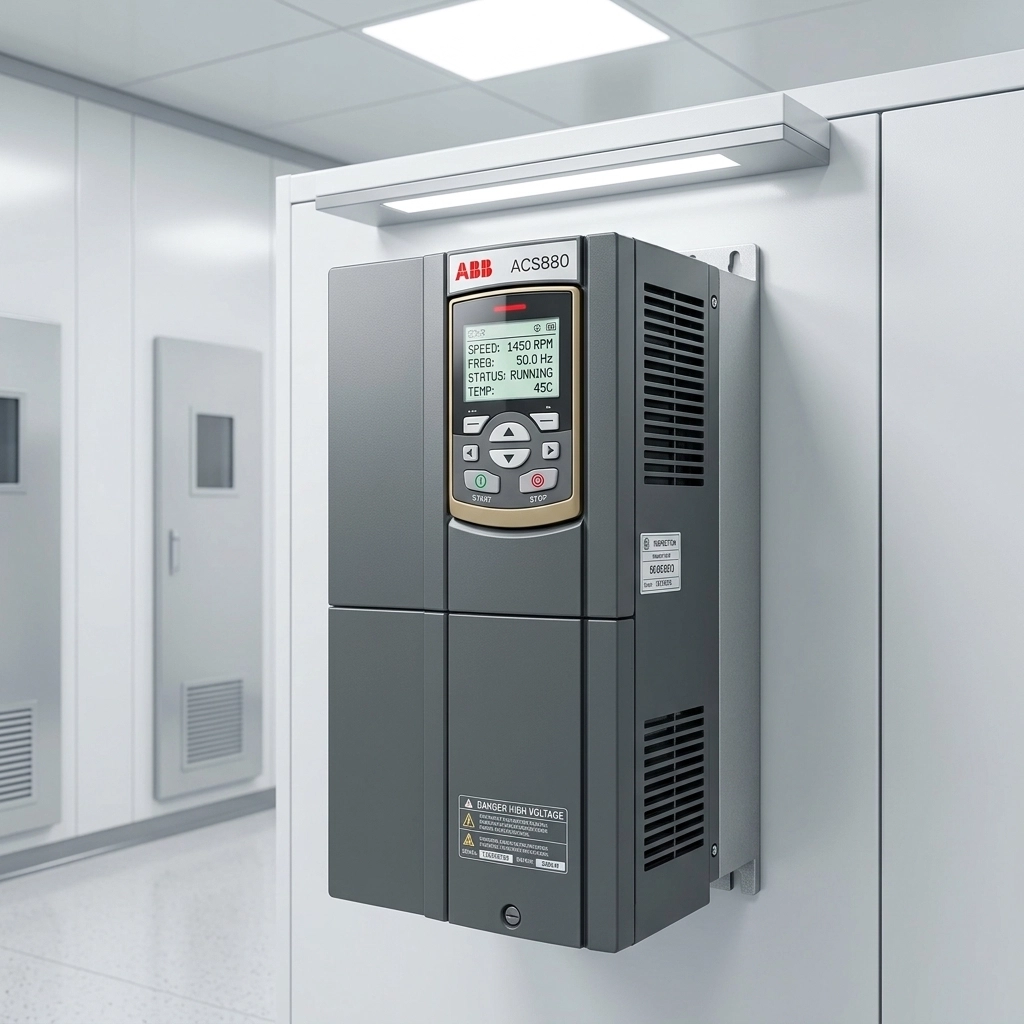
Cleanrooms require high-frequency air exchanges, placing heavy demand on motor-driven fans and pumps. The use of energy efficient motors (IE4 and IE5 classes) coupled with ABB AC drives (ACS880 series) is the standard for 2026.
ACS880 Drive Specifications
The ACS880 series is engineered for precise motor control and energy optimization.
- Direct Torque Control (DTC): Ensures high precision in motor speed and torque, critical for maintain air pressure differentials in cleanrooms.
- Low Harmonic Content: Reduces electrical noise, protecting sensitive lab equipment from interference.
- Regenerative Capability: Captures energy from braking motors and returns it to the grid, further reducing the carbon footprint of the facility.
Turnkey System Integration in India
Digital Controls provides specialized system integration services for India's major pharmaceutical hubs. Our technical teams operate in high-density manufacturing regions including:
- Indore (Madhya Pradesh)
- Ahmedabad (Gujarat)
- Hyderabad (Telangana)
Integration Workflow
Our turnkey approach ensures that IoT implementation aligns with specific facility layouts and regulatory requirements.
- Site Audit: Evaluation of existing drives, motors, and control architecture.
- Design: Development of custom control panels and sensor networks.
- Deployment: Installation of ABB AC drives and Smart Sensors.
- Commissioning: System testing and integration with the ABB Ability cloud platform.
- Validation: Documentation and testing to ensure compliance with GMP and FDA standards.
Conclusion
The adoption of IoT in pharmaceutical manufacturing is no longer a peripheral upgrade but a fundamental requirement for operational viability in 2026. Precision monitoring and predictive maintenance reduce risk, ensure compliance, and maximize resource efficiency.
For technical consultation on industrial automation solutions or specific inquiries regarding ABB AC drives and PLC automation systems, contact Digital Controls.